

NOISELESS NOOK's noise isolation technology: How to solve the noise problem through innovative work cabins?
Understanding Noise Isolation Technology in Workspaces
Modern workplaces really need good noise isolation tech these days. The whole idea is simple enough create walls between where sounds come from and where people actually work. This keeps things quiet enough so folks can get stuff done without their brains getting fried by constant background noise. Most offices go with stuff like those absorbent acoustic panels on the walls, desks that somehow eat up sound waves, and windows covered with special treatments that stop outside traffic rumble from coming in. All these physical blocks work pretty well at cutting down on unwanted noise, which means fewer distractions and workers who can actually focus on what they're supposed to be doing instead of trying to tune out the printer across the room.
Noise control matters a lot in modern workplaces because it really affects how well people work and feel at their jobs. Studies indicate that when there's less background noise around, workers tend to get things done faster, maybe even 15% quicker according to some research. People just don't get distracted so easily and they seem calmer overall. When offices are quieter, teams actually talk to each other better without constantly shouting over machines or traffic sounds from outside. Companies that focus on making their spaces quieter end up with staff who produce better quality work while staying happier longer term. Plus, nobody wants to spend all day in a loud, chaotic environment anyway.
How Noise Isolation Technology Works
There are basically two main approaches to noise isolation technology out there these days: passive methods and active ones. Passive noise control works by blocking or soaking up sounds through physical means. Think about things like regular earplugs people put in before going to concerts, or those thick concrete walls around construction sites that stop machinery noise from spreading everywhere. On the other side of the spectrum we find active noise isolation, which goes by names like noise cancellation too. How does it work? Well, basically tiny microphones pick up surrounding sounds first, then special electronics create opposite sound waves that literally cancel out what's happening around us. That's why modern noise cancelling headphones can make train journeys so much quieter despite all the rumbling tracks just inches away from our ears.
Noise isolation works best when certain materials and design choices come together just right. Take acoustic panels for instance they're pretty common in offices and other workplaces where people need quiet spaces. These panels usually contain stuff like mineral wool or fiberglass which soak up sound instead of letting it bounce around everywhere. Then there's those foam products too, the kind that actually trap sound inside their tiny cells so less noise gets through walls and ceilings. Industry pros often point out how good quality insulation can really cut down outside noises coming into buildings. Research backs this up showing that workplaces with proper sound management tend to have happier employees who get more done throughout the day.
The Importance of Noise Isolation in Modern Workspaces
When workplaces manage noise properly, workers tend to get more done. Studies point to a clear link between quieter environments and better performance on jobs that need concentration over time. Take this research from Sydney University for instance they discovered office noise can cut productivity nearly two thirds sometimes. And all that background chatter doesn't just slow things down it actually makes people feel more tired and less happy about their jobs, which obviously affects how well they work. So when companies invest in reducing those annoying sounds, staff members find it easier to stay focused. The end result? Work gets completed faster and usually comes out looking much better too.
Noise isolation does more than just boost productivity it's really important for how employees feel at work too. When workers have somewhere quiet and calm to focus, they tend to worry less and feel calmer throughout their day. The American Institute of Stress has pointed out that people who deal with constant background noise end up stressed out way more than those in quieter spaces. Look around and see what happens at companies that actually care about reducing noise levels these places generally see fewer sick days because staff members aren't burning out so fast. Putting effort into noise control shows management cares about workers' actual well being, which makes everyone happier and more involved in their jobs. And let's face it, happy employees don't just make for nicer workplaces they also help businesses perform better overall in the long run.
Introducing NOISELESS NOOK's Solutions
Innovative Meeting Pod L
NOISELESS NOOK's Innovative Meeting Pod L stands out as one of their best products so far. It's basically an ergonomic workspace built for when teams need to get together and brainstorm. The design fits around four people comfortably, which means everyone can spread out without feeling cramped. What really makes this pod special though is how quiet it gets inside. The soundproofing knocks down ambient noise by about 32 decibels, making those inevitable side conversations and keyboard clatter practically disappear. Meetings run much smoother because participants actually hear each other instead of shouting over background distractions.
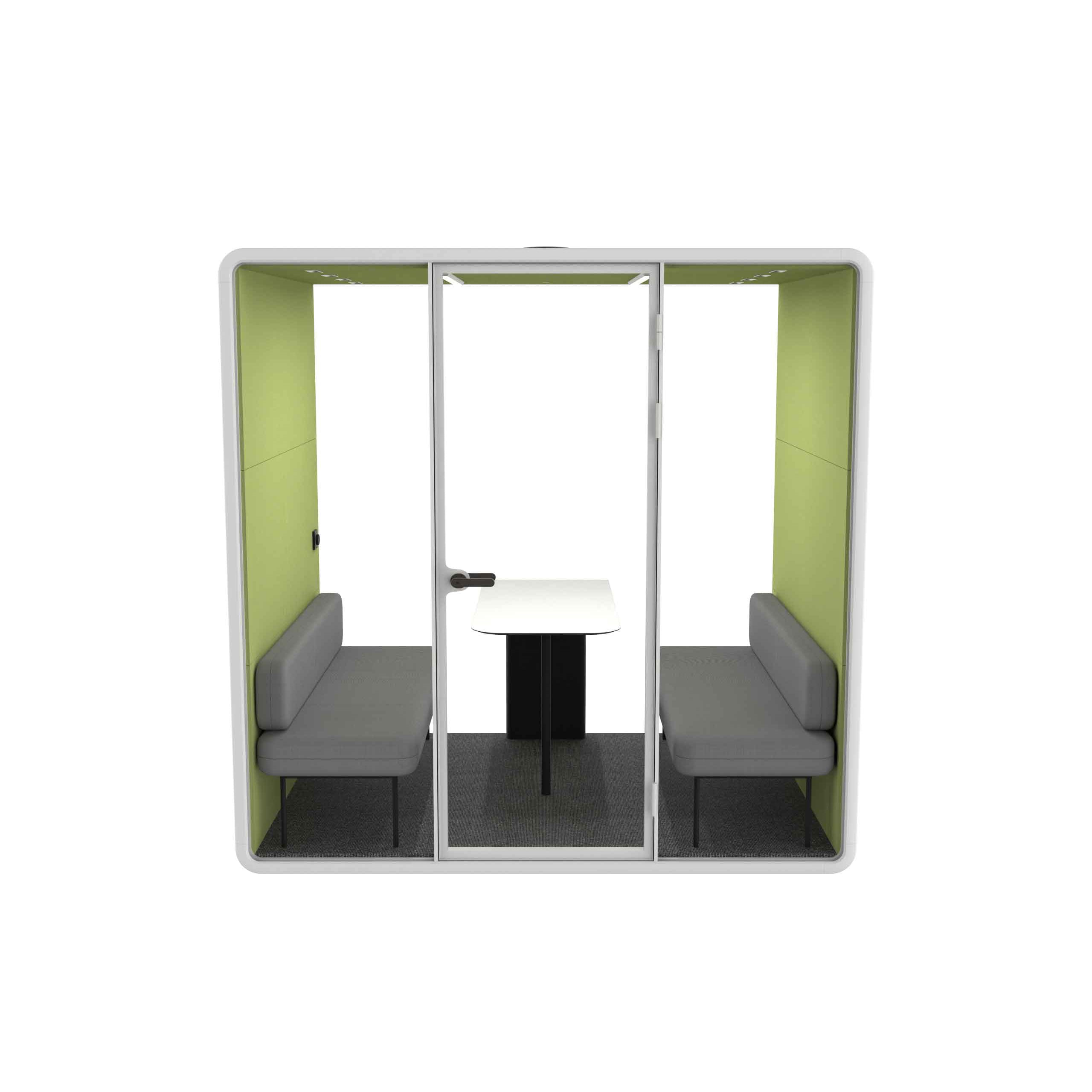
This pod also offers customizable features such as adjustable lighting and color temperature, empowering users to modify their environment according to their needs. Its seamless design includes a hidden door closer and premium soundproof glass for extended comfort and aesthetic appeal.
Meeting Pod XL
The Meeting Pod XL stands out as something really special when it comes to transforming how teams work together. Designed to fit around six folks comfortably, these pods come packed with tech features that make talking and sharing ideas much easier during meetings. Think about things like built-in video conferencing systems and smart whiteboards that everyone can access from their seats. Just like its smaller sibling the Meeting Pod L, the XL version has excellent soundproofing capabilities too. What does that mean in practice? Well, no more worrying about outside noises interrupting important conversations or sensitive talks getting overheard by passersby. The quiet space created inside works wonders for those creative brainstorming moments or when confidential business matters need discussing without distractions.
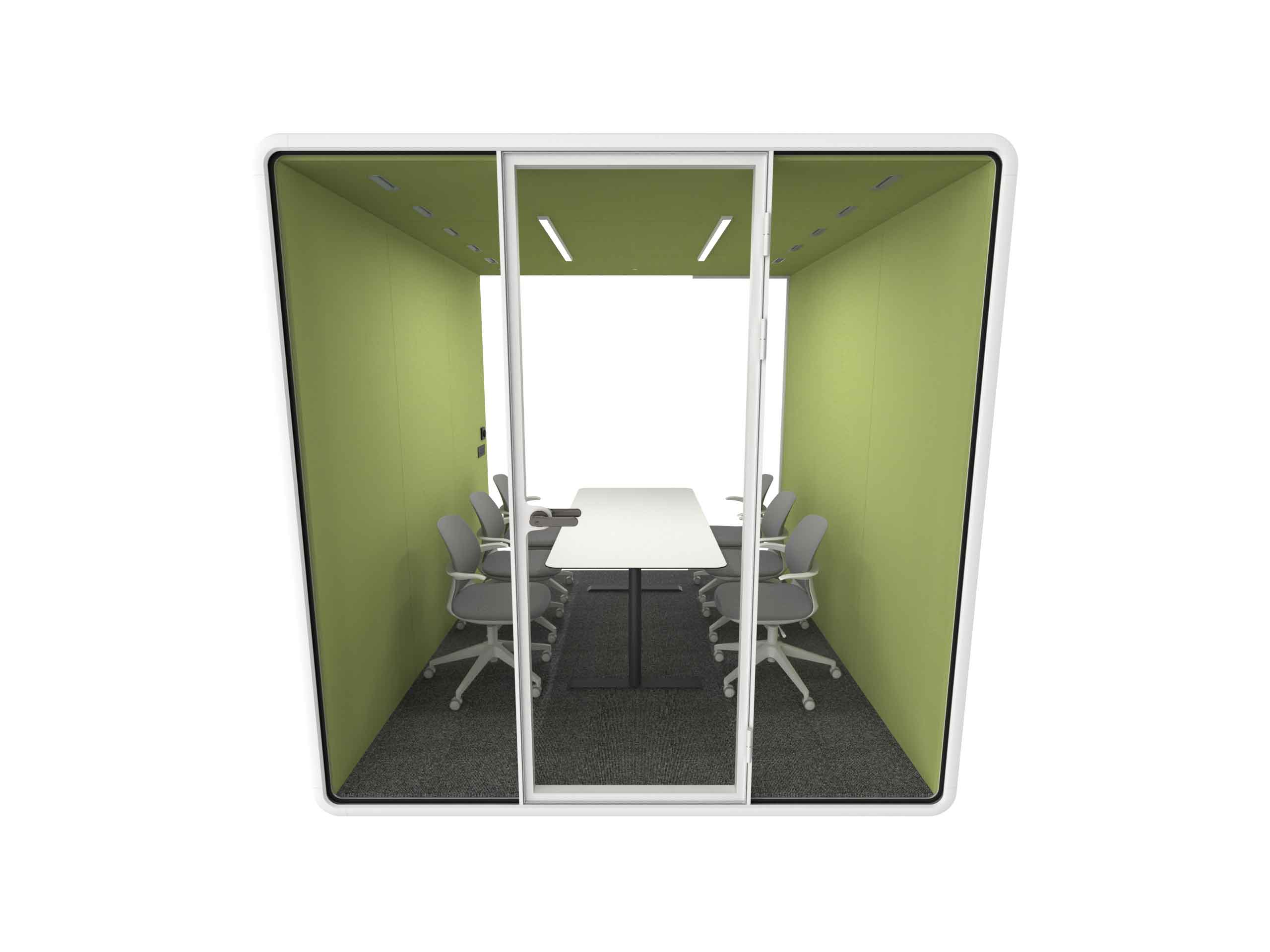
Additional features include an adjustable lighting system, a smart presence sensor for energy efficiency, and a customizable interior that enhances user comfort. The sleek design aligns with modern aesthetic standards, ensuring that its functionality does not compromise its style.
Prime M Pod
Lastly, the Prime M Pod prioritizes spaciousness and privacy, comfortably accommodating up to six individuals. It is an excellent choice for creating a serene space for relaxation or conducting quieter meetings within a busy environment.
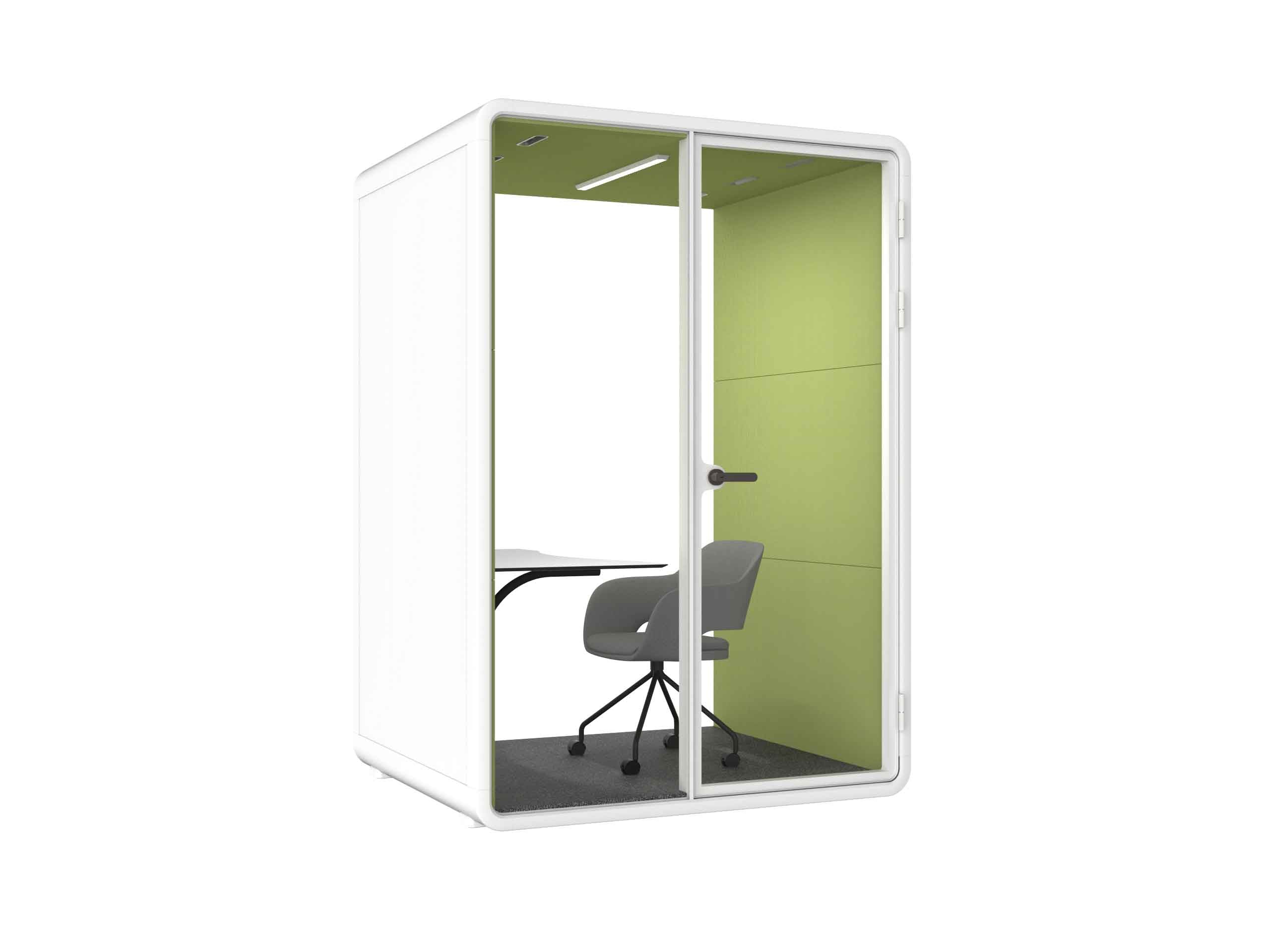
With features like a rotary dimmer panel and multifunctional sockets, users can control the vibe inside the pod effectively. The podâs robustness ensures stability, while its advanced ventilation system fosters a fresh atmosphere by efficiently circulating air, making it a multi-functional asset in any modern workspace.
Real-world Applications of Noise Isolation Technology
Good noise isolation tech makes all the difference when it comes to getting work done and staying comfortable in those open office layouts we see everywhere these days. Many workplaces are putting up sound absorbing partitions between desks and installing special acoustic panels on walls to cut down on background chatter. Some companies go even further by adding thick carpets and heavy curtains in common areas where people meet up. These simple fixes help keep sensitive discussions confidential while letting everyone else focus without constant interruptions from nearby conversations. The result? Fewer distractions and happier workers overall.
With more people working from home these days, there's been a real surge in demand for ways to block out unwanted noise in personal workspaces. A lot of folks who work remotely have started investing in various noise control technologies just to make their home office setup better suited for concentration. What makes this possible is the fact that good quality, budget friendly sound dampening products are now readily available online and easy enough for anyone to install themselves. We're seeing things like door sweeps, those foam wall panels, and even special curtains designed to absorb sound gaining popularity among home workers trying to stay focused without getting distracted by outside noises. The bottom line is that creating quiet spaces has become something of a necessity rather than luxury, whether someone works from a corporate office or their own living room.
Future of Noise Isolation Technology in Workspaces
Noise isolation tech in workplaces is changing fast because people care more about mental health these days and want to get stuff done without distractions. Research keeps showing how bad noise pollution really is for our brains and stress levels. That's why companies are spending money on better soundproofing options to create spaces where workers actually feel good. A survey from last year found something interesting too: around 60 percent of office workers think better acoustics would make them happier at work and help them produce more quality work overall.
Good design matters a lot when it comes to keeping noise under control in modern workspaces. We're seeing all sorts of innovations these days - think ceiling panels that soak up sound, partitions made specifically to block unwanted noise, even fancy systems that actively cancel out disruptive sounds. Many businesses are getting creative with their office layouts too. Some are bringing nature indoors through wood accents, plants, and other organic touches that not only look great but actually help manage sound better than traditional materials. The market is flooded with new stuff right now, like those cool acoustic tiles that blend into any decor while doing their job silently in the background. What used to be an afterthought in workspace planning has become a central consideration for companies serious about employee well being and productivity.
These advancements represent a pivotal shift in the design and architecture of work environments, ensuring that noise management becomes a standard feature rather than an afterthought. By embracing these innovations, companies can foster a more productive and serene workspace, catering to the modern-day concerns of their employees.
Conclusion: The Need for Noise Isolation Technology
Good noise isolation tech makes all the difference when it comes to staying focused at work. When distractions fade away, workers actually get stuff done faster and feel happier about what they're doing. Plus, offices with proper sound management become real hubs for creativity and teamwork since people can talk without shouting over constant chatter or machinery sounds. Installing these solutions isn't some fancy extra anymore; it's basically table stakes for any decent workspace today. With those big open floor plans taking over and more folks working across different locations, companies need to tackle noise issues head on if they want their teams to stay productive and sane throughout the day.
FAQ
What is noise isolation technology?
Noise isolation technology involves using various techniques and materials to minimize sound transmission in workspaces, creating a quieter environment conducive to productivity.
How does noise isolation benefit employees?
Noise isolation significantly boosts productivity by reducing distractions and stress, leading to better focus, communication, and overall job satisfaction among employees.
What are some common noise isolation solutions?
Common solutions include the use of acoustic panels, noise-reducing furniture, specially designed window treatments, soundproof dividers, and active noise cancellation systems.
How does technology like the Meeting Pod L work?
The Meeting Pod L uses soundproof materials to reduce ambient noise by up to 32db, featuring customizable lighting and seating for enhanced comfort during collaborative sessions.
Is noise isolation applicable to home offices?
Yes, noise isolation is increasingly being applied in home offices with products like acoustic panels, door seals, and noise-canceling curtains for better focus and productivity.


