

Maximizing Productivity: Designing Private Pods for Focused Work Environments
The Rise of Private Work Pods in Modern Offices
Evolution from Open-Plan to Modular Workspaces
The way we design offices has changed quite a bit lately, moving away from those big open plan setups everyone used to love toward something more flexible with private work pods thrown in the mix. Back in the day, companies jumped on the open space bandwagon because they thought it would help people work together better and talk more freely. But as time went on, folks started getting fed up with all the noise and lack of privacy, which made them struggle to concentrate on their actual work. That's when designers began coming up with alternatives like those soundproof work pods we see today. According to several studies done by workplace experts, workers actually perform better and feel happier when they have some quiet space to themselves. A recent Gallup poll even found that employees who spend at least part of their day in these quieter environments report 30% less stress levels compared to those stuck in constant chatter zones.
Furthermore, technology has played a vital role in this transition by enabling advancements such as improved acoustic materials and space-efficient designs. Innovations like soundproofing technology and flexible configurations have made work pods an attractive option for companies seeking to balance openness with privacy.
Key Statistics Driving Acoustic Pod Adoption
Acoustic pods have become much more common in offices during the last few years, and there's good reason for it. Market numbers show around 36% of companies now use them somehow, which is pretty impressive growth when you think about it. Some studies also found workers tend to get about 60% more done when they're in these soundproof spaces. Makes sense really - who wouldn't want better focus without all the office noise? These little rooms seem to be making a real difference in how people perform at work and stay concentrated on tasks.
Industry experts have highlighted successful implementations of work pods in various corporate setups. Case studies demonstrate how companies have effectively integrated these pods into their office ecosystems, resulting in improved employee satisfaction and efficiency. The surge in usage across Fortune 500 companies further illustrates the growing preference for acoustic environments.
LSI Integration: Office Pods vs Traditional Cubicles
Office pods actually beat out traditional cubicles in several ways, especially when it comes to being flexible, cutting down on noise, and boosting how happy employees are at work. Cubicles are pretty much stuck in one place forever, but office pods change things up. They give workers spaces that can be rearranged as needed throughout the day. A lot of companies are moving toward these kinds of setups lately because they let teams work together when needed but still give people some space to themselves. Some studies even show that workplaces using office pods report better productivity numbers compared to those old school cubicle farms from the 90s.
Moreover, office pods excel in soundproofing, creating an acoustically superior environment conducive to focused work. This feature addresses a common complaint associated with noisy open-plan offices. Additionally, modern work requirements favor the design of work pods, which are tailored to support hybrid working models and team collaboration.
Analyzing cost implications, office pods may initially involve higher investment than cubicles, yet they offer cost-saving advantages in maintenance and space utilization over time. Expert analysis suggests that their sustainable designs can lead to significant long-term savings, making office pods a competitive choice in optimizing workspace environments.
Top Private Work Pod Solutions for Focused Environments
Lite S: Multifunctional Meeting Pods for Collaborative Spaces
What really sets the Lite S meeting pod apart is how it combines privacy with teamwork in one compact space. These pods come loaded with soundproofing tech that keeps outside noise at bay, so teams can brainstorm without interruptions from the office chatter. For companies looking to maximize their square footage, these little workstations are lifesavers when they need to switch between focused individual tasks and collaborative projects throughout the day. Many offices report that once employees start using these pods regularly, they notice a real difference in getting things done faster since there's so much less distraction. The bottom line? Investing in something like the Lite S means businesses aren't just saving space, they're actually boosting what gets accomplished during those crucial working hours.

Lite L: Premium Privacy Pods with Enhanced Soundproofing
The Lite L privacy pod stands out as one of the best options for creating quiet spaces where people need privacy, especially important given how noisy modern offices have become. These pods are built with heavy duty steel panels and toughened glass that really makes a difference in blocking out sounds. They work great when confidential conversations are needed or just for escaping all the background chatter that plagues most workplaces. People who've tried them often mention being able to focus better without distractions from meetings happening nearby. One user at a tech startup said they noticed a huge improvement after installing three pods last quarter, with team members actually getting through their day without constantly asking others to speak up over ambient noise.
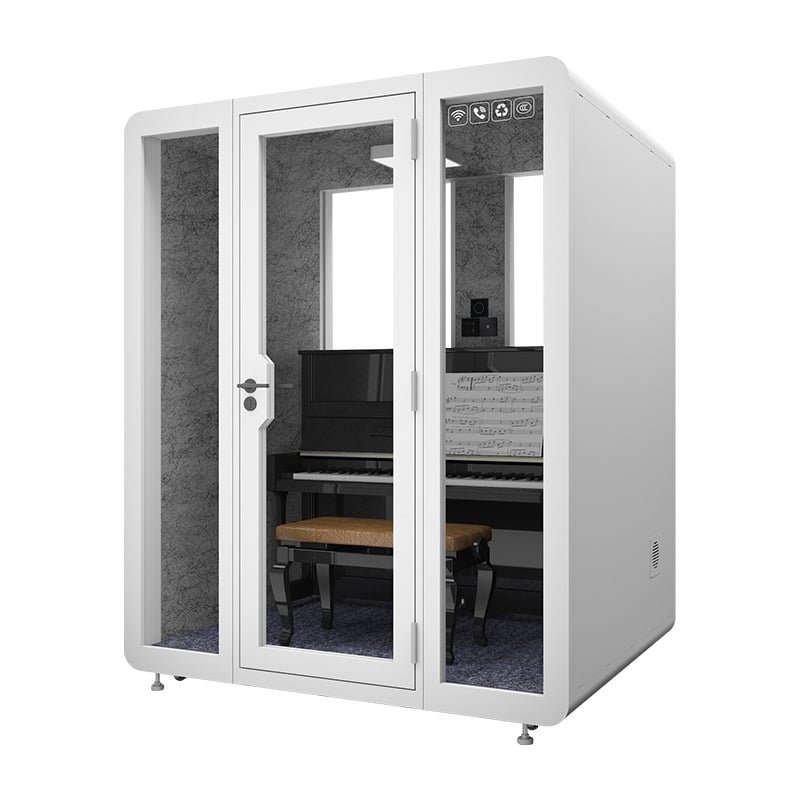
1 Person Booth: Compact Home Office Pod Solutions
The 1 Person Booth is basically a game changer for folks working from home who need their own private space. It's small enough to fit in most rooms but still gives users complete control over their workspace setup. What makes this booth stand out? Well, it saves tons of floor space while being super versatile too. More people are buying these kinds of compact workstations lately since so many jobs have gone remote. The soundproofing feature works really well too. No more worrying about noisy family members or pets interrupting important meetings. Home workers can finally concentrate on their tasks without all those usual distractions that come with sharing living spaces.

Essential Features of Effective Work Pods
Acoustic Engineering for Noise Cancellation
Work pods that really work well incorporate some pretty smart acoustic design to block out outside noises. The soundproofing typically involves stuff like thick foam panels and special laminated glass that soaks up and reduces unwanted sounds, creating a peaceful space inside these pods. When it comes down to it, basic acoustic concepts such as absorbing sound waves and reducing their intensity are what makes these spaces actually quiet enough for focused work. People tend to concentrate better and get more done when there's less background noise around them. Research backs this up too - a study published in the Journal of Sound and Vibration back in 2022 showed that quieter workplaces generally result in workers who stay on task longer and accomplish more throughout the day.
Ventilation Systems and Ergonomic Design
Good airflow and thoughtful ergonomics inside work pods really matter when it comes to staying comfortable and getting stuff done. The ventilation system keeps fresh air moving through the space, which helps people stay alert instead of feeling sluggish after hours at their desk. When workspaces incorporate things like chairs that can be adjusted or desks at different heights, workers tend to sit better without slouching all day long. People who study this stuff point out that putting these elements together makes a big difference in how employees feel throughout the day. Most folks report less discomfort overall, especially those nagging back problems that pop up from sitting too long in one position. According to research published last year in The Ergonomics Journal, companies see real benefits from investing in these kinds of improvements.
Customization Options for Various Office Layouts
The ability to customize workspaces matters a lot when trying to fit different office setups and what companies actually need. Work pods come with all sorts of adjustments possible these days - from changing their sizes to matching interior designs with brand colors and logos so they don't stick out like sore thumbs in most offices. We've seen real world cases where companies added custom paint jobs or included special equipment inside pods, which made employees happier and got better results from their workspace. Most folks go for things like picking colors that match their corporate identity, rearranging how spaces look inside, and adding useful extras like charging stations or mini kitchens. These tweaks make sure the pods work well no matter what kind of office space someone has to deal with.
Design Principles for Pod-Integrated Workspaces
Strategic Placement for Workflow Optimization
Where work pods are placed in an office really matters when it comes to how well people get things done. Putting these pods close to areas where teams work together helps everyone collaborate better, but when they're located away from noisy parts of the office, workers tend to stay focused and productive on their own tasks. Take companies that put pods right next to meeting rooms as an example. Their staff members move back and forth between solo work and group discussions without missing a beat. A recent look at the Pullman Chair setup showed something interesting too. When offices thoughtfully arranged their space, employees stayed concentrated longer and finished tasks faster than before. This kind of improvement isn't just theoretical either. Companies that match pod locations to what specific jobs require often see real gains in how efficiently their workforce operates day after day.
Balancing Privacy with Collaborative Areas
Getting the right mix between private work pods and open collaboration zones requires some smart office design thinking that works for both focused individuals and teams working together. Good workspace design actually balances these elements through careful layout decisions and material choices that help people concentrate but still feel connected to others around them. Tech company surveys show most workers want spaces where they can get things done alone sometimes, but also have access to team areas when needed, with smooth transitions between different modes of working. Companies looking at solutions like the ones seen in Nurus Calma design approach find they can address varied employee needs while keeping their offices productive. The key is finding that sweet spot where everyone feels comfortable doing what they need to do without feeling cut off or overwhelmed by constant noise and activity.
Material Selection for Durability and Aesthetics
The choice of materials matters a lot when it comes to work pods because they need to last and look good in office spaces. Materials like recycled PET plastic and Basotect Foam stand out since they help these pods survive longer while keeping the workspace looking nice, which actually makes workers happier and more productive. We've seen some interesting developments lately with green materials getting serious attention from industry pros who love how certain hybrid designs manage to be tough yet stylish at the same time. Take Nurus's Calma product as one case study – it uses some pretty cool materials that cut down on upkeep expenses without sacrificing visual appeal. As offices continue changing shape, incorporating these newer environmentally friendly options seems smart for companies wanting to balance sustainability against budget concerns without compromising quality.
Future Trends in Office Pod Technology
Smart Pod Integrations: IoT and Climate Control
Smart tech is changing how we think about office pods these days, especially when it comes to things like connecting them to the internet of things and getting better climate control going on inside. When businesses start putting IoT stuff into their office pods, they're finding ways to make people happier while running things more smoothly at the same time. The smart systems handle all sorts of things automatically these days - turning lights on and off based on who's there, checking if the air smells good enough, adjusting temperatures so everyone stays comfortable. Temperature control matters a lot actually because nobody wants to work in something that feels like an oven or freezer. Take Your Workpod for instance, they've been playing around with this kind of tech where the lighting changes depending on movement detected and folks can tweak the heat themselves. All these upgrades do more than just keep workers comfy though, they also help save power and make offices greener places overall.
Sustainable Materials in Pod Manufacturing
More and more companies are thinking green when it comes to making office pods these days. This shift isn't just happening because people want it, but also because regulations keep getting tighter. Looking ahead, we're seeing a real push toward materials that don't hurt the planet so much. Some clever folks in the industry have started using things like old plastic bottles turned into something useful again, plus wood from nearby forests rather than shipping it across continents. The look still matters too, so they manage to make these eco choices work with good design. Interestingly enough, offices that go green tend to see happier workers overall. People seem to respond well to places where sustainability isn't just window dressing. According to some research published in the Sustainable Business Journal, around seven out of ten workers actually report feeling better about their jobs when their employer cares about the environment.
Hybrid Work Models Driving Pod Innovations
Hybrid work arrangements are now pretty much standard across most businesses these days, and office pod designs are changing fast to keep up with how people actually work now. Companies need spaces that can switch between different modes depending on whether folks are working remotely or coming into the office. Some businesses that have really embraced this new way of working report better productivity and happier staff when they invest in smart pod setups. Looking at what's happening in the market right now, there seems to be a real surge in interest for these workspace pods. Industry analysts predict somewhere around 60% of companies might have some sort of work pod setup by mid-2025, though exact numbers vary between sources. What matters most is finding those flexible solutions such as upgraded phone booth style enclosures that let teams adapt quickly to whatever mix of work styles becomes necessary week to week.


