

Focus room and work efficiency: How to improve concentration through effective space layout?
Understanding Work Efficiency
Work efficiency basically means getting the most done while using as little as possible, which relates directly to how productive someone can be with their time. When we talk about efficient work practices, what we're really looking at is maximizing outcomes while minimizing waste across different areas like time spent, physical exertion, and mental energy required. The best part? Tasks get finished faster without sacrificing quality in the process. Companies that focus on streamlining operations often find they can accomplish more throughout the day, making better use of everything from employee hours to materials needed for projects.
Work efficiency matters a lot for businesses these days because it helps cut down costs, saves time, and makes everything run better overall. A recent report from Wrike in 2023 showed that many managers are feeling real pressure to get their teams working smarter rather than harder. Looking at this issue closely reveals something interesting too. Companies that boost efficiency don't just produce more stuff faster. They actually make more money while spending less on day-to-day operations and keeping staff happier at the same time. Streamlining processes across departments usually means saving money somewhere, but there's another benefit nobody talks about enough. Employees tend to feel better about their jobs when things aren't so chaotic, which keeps good workers around longer instead of jumping ship every few months.
Optimizing Office Space for Better Focus
Creating a workspace that actually works for what we need to get done matters a lot when it comes to staying focused and productive. Good design means bringing together things like comfortable seating options, proper lighting conditions, and useful tech gadgets throughout the office space. When someone sits in an adjustable chair at a desk they can raise or lower, their body stays healthier over time, which naturally cuts down on tiredness and keeps them concentrating better on their work. Studies indicate people tend to feel happier and work faster when there's plenty of daylight coming through windows, maybe around 20-25% improvement in how quickly tasks get completed. And let's not forget about all sorts of handy technologies these days too. Noise cancelling headphones make a world of difference in busy offices while apps that help organize projects keep everything from getting lost in the chaos. These little additions really do make workdays run smoother and accomplish more than expected.
How offices are set up really affects whether workers can get their heads down on tasks. Open plan offices definitely encourage people talking to each other, but they also bring in all sorts of distractions and background noise that makes it hard to stay focused. A few years back some research showed that giving staff access to private areas or quiet corners cuts down on interruptions quite a bit, which means people actually produce better quality work. The smart approach seems to mix both types of space so teams can bounce ideas around together when needed, then slip away to somewhere quieter whenever deep thinking is called for. This kind of flexible setup tends to create a workplace where everyone gets stuff done without losing their sanity.
Implementing Effective Office Pods
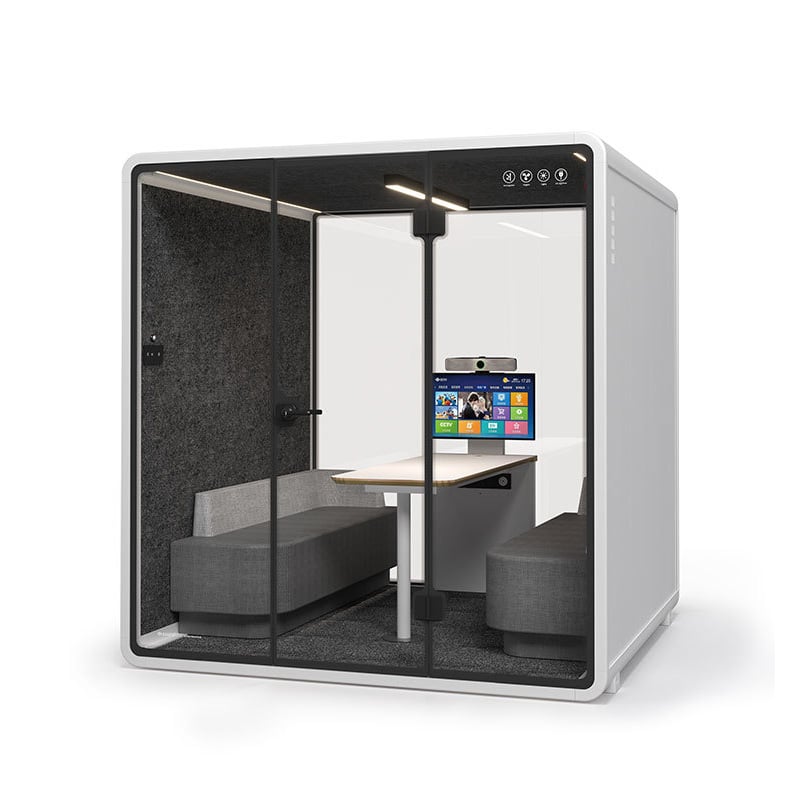
Adding office pods to workspaces, especially those meant for small groups of 3 or 4 people, can really boost teamwork while cutting down on annoying background noise. The design creates sort of a bubble effect where teams can talk freely without disturbing others nearby. Sound gets absorbed inside these spaces so conversations stay contained but still clear enough for everyone involved. A real world example comes from a software development firm that saw noise complaints drop by around 30 percent once they put in these acoustic pods across their open floor plan. Staff members also mentioned they felt more focused when working through ideas in these dedicated areas compared to regular conference rooms. Companies looking to improve how their teams interact should consider giving these modular workstations a try.
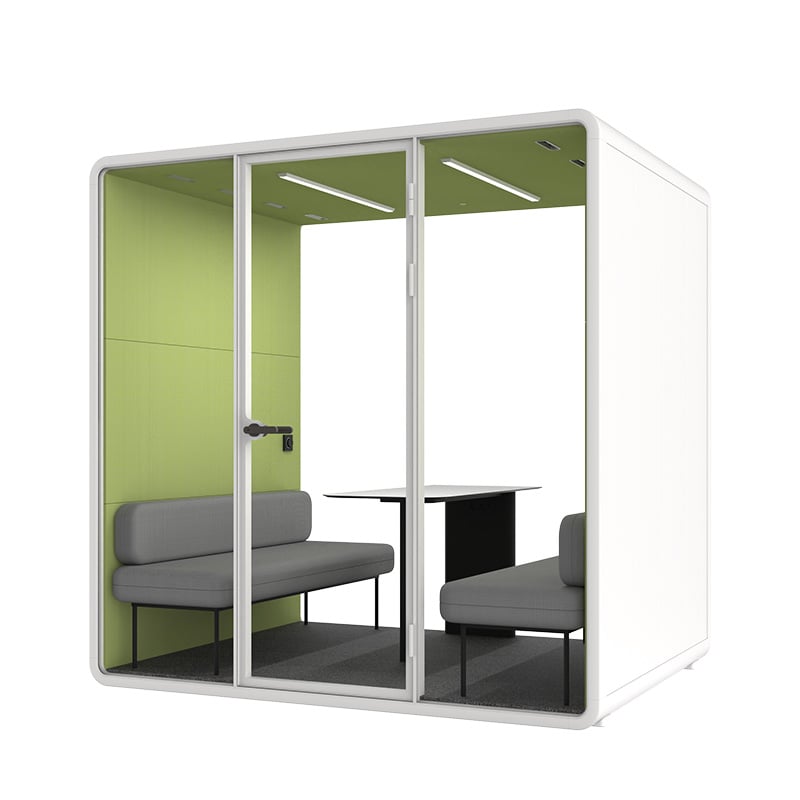
What really sets the Lite XL Office Pod apart is how flexible it is while still keeping outside noise at bay, which explains why so many corporations are adopting them these days. Inside, they've packed in all sorts of sound dampening stuff that creates this super quiet bubble where people can actually get work done without being distracted by office chatter. Employees who've used these pods mention that besides the great sound blocking, things like proper airflow and adjustable lights make a big difference too. People tend to stay focused longer when their surroundings aren't pulling their attention away. Some businesses even saw around a 15 percent boost in what workers accomplish throughout the day simply because their staff had access to these private spaces during busy periods.
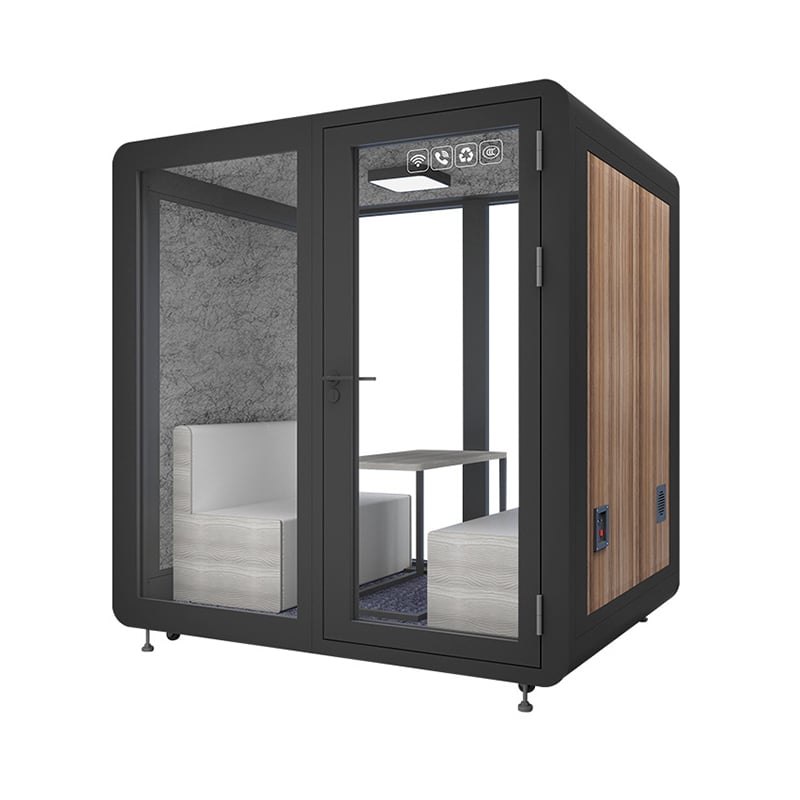
The Office Booth XL makes a real difference when it comes to handling private calls or quick team huddles. These pods come with built-in soundproof walls, adjustable lighting options, and even a mini ventilation system that keeps the air fresh inside. Companies that have installed these workstations report around a 20 percent boost in employee productivity. Most folks say they work better without all the background chatter and having somewhere quiet to talk business really helps focus attention. For companies wanting to create a more productive environment while still maintaining some level of privacy between staff members, investing in these office pods seems like a smart move forward.
Strategies to Enhance Work Efficiency
When it comes to getting stuff done at work, setting those SMART goals really makes a difference. The whole point is creating targets that are actually doable not just vague wishes. Think about it this way: if goals are specific enough to pin down, measurable so we know when they're hit, achievable without needing magic powers, relevant to what matters most, and tied to real deadlines, people tend to stay focused and get results faster. Take an HR department looking to streamline their process. Instead of saying "we want to hire better," they could aim to cut down the average time from job posting to offer acceptance by about 15 percent over the next quarter. That kind of concrete target gives everyone something tangible to work toward instead of spinning wheels forever.
Getting the most out of tech is pretty important when it comes to making work processes run smoother. Tools for managing projects (think Asana or Trello) along with chat apps like Slack really help cut down on wasted time and duplicated efforts across teams. A recent McKinsey study actually found something interesting - companies adopting newer tech solutions tend to free up around 25% of employee hours each week. That might not sound huge at first glance, but over months and years those saved hours add up to major gains in what gets accomplished throughout an organization.
Getting staff involved in actual decision making has proven to make workplaces run better. People who see their opinions matter tend to work harder and stay longer at companies where they count. According to Gallup research, businesses that keep their workers engaged actually earn around 21 percent more profit than those that don't. Want to get people talking? Start small first. Some managers find monthly brainstorming meetings helpful while others set up suggestion boxes where anyone can drop ideas anytime. The important thing isn't the method itself but creating space for voices that might otherwise go unheard.
Evaluating Your Current Work Environment
Looking at how things are set up in the workplace can really help spot problems that get in the way of getting stuff done. When we take a good look around, there are several factors worth considering like how people move through the space, whether workflows make sense, and if teams have what they need to work together properly. Take open office spaces for example they definitely make it easier for coworkers to chat but often create noise distractions when someone needs to concentrate on complex tasks. Finding these kinds of issues allows companies to make changes that actually fit how different teams operate and what individuals require. Some businesses have even reported significant improvements after rearranging desks or adding quiet zones where needed.
To spot where things could get better in an office, it helps to look at those everyday problems that nobody really talks about but everyone feels. Most offices suffer from bad seating arrangements, lighting that makes people squint or glare, and floor plans that seem designed to make getting from point A to B feel like an obstacle course. All these little annoyances add up and start wearing on both body and mind over time. When trying to figure out what needs fixing, there are several ways to get real opinions from staff members. Surveys work pretty well if they're kept short and sweet. Some companies have had good luck with regular coffee chats where employees can voice concerns without feeling like they're giving a formal presentation. Old fashioned suggestion boxes still have their place too, though many workplaces now prefer digital versions that make tracking responses easier. The key thing is actually listening to what people say and then doing something about it. Companies that take employee input seriously tend to create workspaces that go beyond just meeting basic requirements they end up creating environments where workers actually want to spend their days.
Creating a Positive Work Culture
A good workplace culture really helps people work together better across different departments. Things like organized team building exercises or getting folks from various parts of the company to collaborate on projects make a big difference. Studies have found that when teams regularly participate in these kinds of joint efforts, their overall productivity goes up around 15 percent give or take. What makes this approach effective is that it starts breaking down those invisible walls between departments while helping colleagues actually get to know each other. As relationships develop through shared experiences, teams tend to produce results that are both more unified and creatively surprising.
Open communication really matters for building a good workplace environment. Companies that set up different ways for people to talk - think weekly check-ins, suggestion boxes, or online forums - tend to see better transparency and happier workers overall. Research shows something interesting here too: offices where folks feel comfortable speaking up report around 25 percent higher satisfaction among staff members. When employees actually get heard about their thoughts and worries, it builds real trust within teams. We've seen this happen at several organizations where regular brainstorming sessions became routine, not just formalities. The result? People start working together more effectively because they know management actually listens to what they say.
Conclusion: Reap the Benefits of Focused Work Environments
Workspaces that promote focus tend to boost productivity over time, according to multiple studies on workplace design. When companies create environments without too many distractions, workers stay concentrated longer and get more done throughout the day. Take offices that have controlled noise levels and good lighting for example. Many businesses report better results when they invest in these basic improvements. Employees finish tasks faster and make fewer mistakes, which adds up to real gains for the company bottom line.
When companies focus on making their workplaces better for employees, it actually helps the bottom line too. Industry research shows that businesses which spend money on things like comfortable chairs, areas where teams can work together, and building a positive company atmosphere tend to get more done while keeping staff happier and staying longer. The folks who stick around are generally more productive as well. More and more managers are starting to realize that how offices look and function isn't just about aesthetics anymore. It's becoming part of smart business planning because happy workers mean better results across the board.


